Mosby's Manual of Diagnostic And Laboratory Tests - 5th Edition
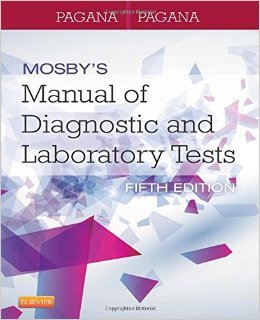
This quick reference handbook offers clear, concise coverage of over 700 of the most commonly performed diagnostic and laboratory tests ― including 39 new to this edition. Trusted authors, Kathleen Pagana, PhD, RN and Timothy Pagana, MD, FACS, bring together a comprehensive collection of full color designs, illustrations and photos to show exactly how various tests are performed. Related tests are grouped by chapter and presented in a consistent format to facilitate a full understanding of each type of diagnostic test.
UNIQUE! Coverage of the clinical significance of test results
explains why a given test result indicates specific diseases.
Full-color design clarifies key concepts, procedures, and testing techniques.
Related Tests sections list tests that provide similar information or are used to evaluate the same body system, disease process, or symptom.
NEW! Unique front section
on coding for diagnostic and laboratory tests (ICD-10) provides explanations of the coding requir
ements and challenges for diagnostic testing along with codes for all tests in the manual.
NEW! 39 of the most current laboratory and diagnostic tests have been added to this new edition to reflect current best practices.
NEW! Updated photographs and illustrations reflect the latest changes in testing equipment.


Write Review:


User Reviews: